
Eating Out with Diabetes: What to Order at Panera Bread

Navigating dining out with diabetes, whether it’s type 1 or type 2, can be a challenge.
However, with a bit of guidance, making smart choices can be both easy and enjoyable. For those heading to Panera Bread, here are some top recommendations from a registered dietitian and certified diabetes educator.
1. Greek Salad

A top pick for managing blood sugar levels is the Greek Salad. This option features grilled chicken and contains less than 10 grams of carbs, making it a great choice for those seeking a low-carb meal. The minimal carb impact is ideal for controlling blood sugar. Additionally, the salad is packed with a variety of veggies, offering important nutrients and fiber beneficial for overall health and diabetes management.
2. Fuji Apple Chicken Salad

The Fuji Apple Chicken Salad is another excellent choice. It provides over 33 grams of protein and combines fresh vegetables with the sweetness of apples. This combination not only makes for a flavorful meal but also helps in...
Hiking with Diabetes: Tips from a Diabetes Educator for Balanced Blood Sugar

Hiking with diabetes can be a rewarding experience, but it requires careful planning to keep blood sugar levels stable.

Whether managing type 1 diabetes or type 2 diabetes, maintaining glucose balance while navigating trails is entirely achievable with the right strategies. Here’s a detailed guide to ensure a smooth and enjoyable hiking adventure.
1. Plan Your Insulin Timing

Proper insulin management is crucial for a successful hike. Before heading out, ensure that your insulin on board is minimal. This involves letting your insulin be fully absorbed and out of your system before starting the hike. Ideally, consume a substantial meal well before the hike begins, allowing time for digestion and insulin absorption. If you have a long journey to the trailhead, like an hour-long train ride, it can help in managing insulin levels effectively. By planning your meals and insulin doses carefully, you can significantly influence your ability to maintain stable blood sugar levels througho...
Why Protein and Fat Matter to Your Blood Sugars More Than You Know
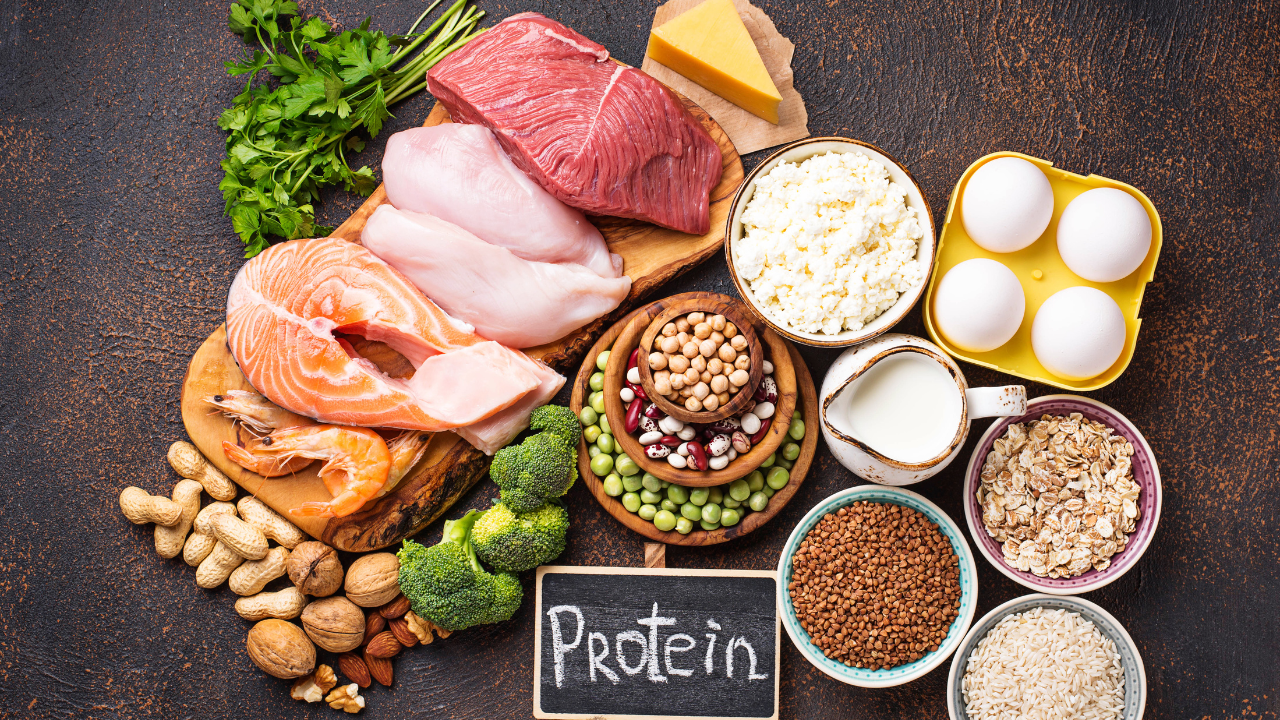
When you're first diagnosed with diabetes, it often feels like the entire focus is on carbs—counting them, managing them, and adjusting your insulin based on them.
This singular focus can make it seem like carbs are the only thing that matters. But here's a crucial insight that many diabetes dietitians wish you knew: it's not just about carbs. Protein and fat play significant roles in managing both Type 1 and Type 2 diabetes, and understanding their impact is essential for maintaining stable blood sugar levels.
The Overlooked Nutrients

Let’s start with protein and fat. While carbohydrates undoubtedly have the most immediate impact on blood sugar levels, protein and fat can influence your blood sugar too, though in a different way.
1. Protein's Role
For those with Type 1 diabetes, protein can affect blood glucose levels more subtly. When you consume protein, it doesn’t cause a sharp rise in blood sugar like carbohydrates can, but it does influence insulin needs. It’s important...
Navigating Stadium Food with Diabetes: Tips from a Type 1 Diabetes Dietitian


Stadium food is often loaded with carbs and sugars, making it tricky to maintain stable blood sugar levels.
Here’s a guide, informed by tips from a type 1 diabetes dietitian, on how to navigate stadium food while keeping your diabetes in check.
Understanding the Challenge

Stadiums are notorious for their non nutritious food options. When faced with menus full of hot dogs, nachos, pretzels, and cheesesteak dogs, it’s easy to see why these choices are often considered “blood sugar bombs.” For individuals managing type 1 diabetes or type 2 diabetes, these high-carb and high-fat foods can cause rapid spikes in blood glucose levels, particularly when you’re sedentary for long periods.
Making Smart Choices
From the perspective of a type 1 diabetes dietitian, the key to managing blood sugar while enjoying stadium food is to focus on options that are high in protein and fiber. Both nutrients help stabilize blood sugar levels and keep you feeling full longer. During a recent vis...
Navigating Five Guys with Diabetes: Tips from T1D Diabetes Dietitian

When it comes to dining out at Five Guys, making diabetes-friendly choices is crucial for managing blood sugar levels effectively.

Whether you're living with type 1 diabetes or type 2 diabetes, understanding how to make informed decisions can help you enjoy your meal while keeping your glucose levels stable. Here’s a comprehensive guide to navigating the Five Guys menu with diabetes in mind, including insights that can be particularly helpful from a certified diabetes educator
Start with the Burger
Five Guys is famous for its burgers, which can be a suitable option for those managing diabetes. Each burger provides around 18 grams of protein, which is beneficial for satiety and muscle maintenance. To reduce carbohydrate intake, consider removing half of the bun. This simple change can help decrease the carbs that might otherwise lead to a blood sugar spike. For a lower-carb alternative, you might even skip the bun entirely. Opt for one or two patties, and add cheese and bacon. T...
Optimal Placement for Continuous Glucose Monitors: Lean Tissue vs. Body Fat

Managing diabetes effectively often requires the strategic placement of both insulin pumps and continuous glucose monitors (CGMs).
For many people with diabetes, the traditional approach is to place insulin pump infusion sites in subcutaneous tissue, or body fat. However, an alternative strategy—using leaner areas of the body for CGM placement—can offer several benefits and might be worth considering.
Understanding the Differences
To appreciate why different placement strategies might be effective, it’s crucial to understand the roles of insulin pumps and CGMs. Insulin pumps deliver insulin continuously into the body through subcutaneous tissue. This tissue type is necessary because it helps to absorb the insulin gradually and reduces the risk of issues such as scar tissue formation. On the other hand, CGMs measure glucose levels by analyzing interstitial fluid, which is the fluid found between cells. Unlike insulin pumps, CGMs do not deliver any substance into the body; they merely...
Why a Diabetes Dietitian is Essential for Managing Type 1 and Type 2 Diabetes

When it comes to managing diabetes, whether it’s type 1 or type 2, not all advice is created equal.
Imagine this scenario: you’ve broken your ankle, and you have to choose between two options for treatment. One is a board-certified orthopedic surgeon with years of experience, and the other is someone who learned to fix broken ankles over a weekend seminar. Who would you trust to repair your ankle? The choice seems obvious, right?
This analogy perfectly illustrates why consulting a professional diabetes dietitian is crucial. Just because someone has personal experience with diabetes doesn’t automatically make them an expert in diabetes management for others. Sharing your personal success with blood sugar management is great, but it doesn’t replace the need for professional guidance.
Why Professional Guidance Matters

Managing diabetes involves more than just following a generic diet plan or using tips you find online. Each person’s experience with diabetes is unique, and so are ...
Understanding Blood Sugar Spikes: A Guide for People with Diabetes

Living with diabetes often involves navigating the challenges of managing your blood sugar levels effectively.
One common concern is experiencing significant spikes in blood sugar after meals. If you find that your blood sugar always seems to rise dramatically whenever you eat, you’re not alone. Let’s dive into why this happens and what you can do about it.
Why Do Blood Sugar Spikes Occur?
When you have diabetes, your body struggles to regulate blood sugar levels due to either insufficient insulin production or insulin resistance. This struggle means that any food you eat can lead to a rise in blood sugar levels. However, not all spikes are created equal, and understanding the factors at play can help you manage them better.
- Type of Food: The glycemic index (GI) of the foods you eat plays a significant role in how your blood sugar levels respond. Foods high on the glycemic index, such as sugary treats and white bread, cause a rapid increase in blood sugar. In contrast, foods with...
4 Essential Grocery Finds for Managing Diabetes: Tips from a Registered Dietitian

Navigating a diabetes-friendly diet, whether managing type 1 or type 2 diabetes, can be a bit challenging.
The key to success often lies in making smart, informed food choices. Here are four fantastic grocery finds recommended by a registered dietitian that can help stabilize blood sugar levels and add variety to your meals.
1. Moon Cheese: A Low-Carb, Protein-Packed Snack

For those living with diabetes, finding a snack that aligns with dietary needs and satisfies cravings can be a real game changer. Moon Cheese is a top-notch choice. Each serving packs 11 grams of protein and contains just 2 grams of carbs. This protein-rich snack not only helps keep hunger at bay but also supports muscle health, which is crucial for overall well-being. Additionally, Moon Cheese is a good source of calcium, promoting strong bones. Its portability and long shelf life make it an excellent on-the-go snack. Whether dealing with type 1 diabetes or type 2 diabetes, Moon Cheese provides a tasty and conv...
Essential Travel Tips for Managing Diabetes: What to Always Pack

Traveling with diabetes, whether Type 1 or Type 2, can pose unique challenges.
Proper preparation is crucial to ensure that blood sugar levels remain stable and diabetes management is effective throughout the journey. Here are three essential items that anyone with diabetes should always pack when heading out on a trip. These recommendations aim to provide practical solutions for maintaining optimal health while traveling.
1. Continuous Glucose Monitor (CGM) Tape

A Continuous Glucose Monitor (CGM) is a critical tool for tracking blood sugar levels continuously. For those living with diabetes, especially during travel, it’s essential to have extra CGM tape on hand. The adhesive that holds the CGM sensor in place can sometimes fail, particularly in humid or active environments where sweating is common. Extra CGM tape ensures that the sensor remains securely attached, providing accurate readings and uninterrupted monitoring. This precaution can prevent potential issues with blood sug...
