
Stress Spikes Blood Sugar: The Missing Piece in Diabetes Management
Managing diabetes is often framed as a simple equation of food plus insulin
However, any seasoned T1D dietitian or Type 2 diabetes dietitian will tell you that the subconscious mind holds a significant seat at the table. If blood sugar levels are climbing despite perfect carb counting and a sedentary afternoon, the culprit is likely the "stress spike."
When the body is under pressure, it doesn't just feel overwhelmed mentally; it reacts biologically. For those living with Type 1 diabetes, Type 2 diabetes, or pre-diabetes, understanding the intricate relationship between the nervous system and glucose production is essential for long-term health and emotional well-being.
When the brain perceives stress, whether from a looming work deadline, a heated argument, or chronic burnout, it triggers the "fight or flight" response. This evolutionary survival mechanism signals the adrenal glands to release a cocktail of hormones, primarily cortisol and adrenaline.
These hormones have a specifi...
Where to Keep Diabetes Supplies When Flying: Everything Your T1D & T2D Dietitian Wants You to Know
Flying with Type 1 diabetes, Type 2 diabetes, or pre-diabetes doesn't have to be stressful, but it does require a specific strategy
Here's what a Registered Dietitian and Certified Diabetes Educator recommends before you ever board the plane.
Why supply placement isn't just a convenience issue, it's a safety issue
When people ask their diabetes dietitian about flying, the conversation almost always starts with what to eat. But there's a question that matters even more: where are your supplies when you actually need them?
Blood sugar doesn't wait for a convenient moment. Hypoglycemia can come on quickly, and when it does, mid-flight, during turbulence, or in the middle of taxi on a runway, you may have only a few minutes to act. If your insulin, glucose tabs, or fast-acting carbohydrates are buried in an overhead bin four rows back, that window closes fast.
"The single most preventable diabetes travel emergency is having the right supplies in the wrong location. Accessibility isn't...
4 Costco Picks Your Diabetes Dietitian Actually Recommends
Blood sugar management doesn't require a complicated diet
It requires the right staples. A Registered Dietitian and Certified Diabetes Educator breaks down exactly which Costco finds are worth it and why they work.
Whether you're working with a T1D dietitian, a Type 2 diabetes dietitian, or navigating pre-diabetes, the most impactful shift most people make isn't a new medication or an aggressive meal plan overhaul. It's their pantry.
Food environment design, the practice of making your easiest choice also your best metabolic choice, is one of the most evidence-backed and consistently underutilized tools in diabetes care. When a protein-rich, low-glycemic, minimally processed option is already in your refrigerator or pantry, you don't need willpower. The decision has already been made for you.
As Certified Diabetes Educators, we see this play out in clinical practice constantly. The clients who maintain the most consistent blood sugar control aren't eating perfect diets. They're eat...
The Supplement Truth Every T1D and T2D Dietitian Wants You to Know
If you’ve ever searched for ways to improve blood sugar, you’ve likely come across endless supplement recommendations promising quick results
But if you’re working with a T1D dietitian, Type 1 diabetes dietitian, Type 2 diabetes dietitian, or Diabetes Educator, you’ll quickly learn a different truth:
Most supplements are overhyped and underdeliver.
This matters whether you’re managing Type 1 diabetes, Type 2 diabetes, or even pre-diabetes. The goal isn’t to chase shortcuts, it’s to focus on what actually moves the needle.
Why Supplements Are Often Overrated in Diabetes Care
The supplement industry thrives on simple promises. Blood sugar, on the other hand, is anything but simple.
Glucose levels are influenced by a mix of factors, not just food alone. What you eat matters, but so does the overall composition of your meals, including how carbs, protein, and fat interact. Insulin timing and dosing also play a major role in how your body responds after eating. On top of that, everyda...
4 T1D Go-To Foods for High Blood Sugar
Navigating a day of elevated blood sugar is one of the most taxing parts of living with diabetes
When glucose trends high, the instinct is often to stop eating entirely to avoid further spikes. But the body still requires fuel to function and recover and skipping meals can create its own set of complications.
The goal for any T1D or T2D dietitian is to help patients find foods that provide satiety and genuine nutrition without contributing to glycemic volatility. That means shifting focus to protein, healthy fats, and non-starchy vegetables, three macronutrient categories with minimal impact on insulin demand.
1. Real Good Foods Chicken Chunks
Convenience is vital when high blood sugars cause fatigue. These chicken chunks are a staple because they require minimal prep. With only 4g of net carbs and over 20g of protein, they provide a significant "fullness factor" without the sharp spike associated with breaded nuggets.
2. Eggs
Whether you're managing prediabetes or lifelong T1D, ...
Guide to Supporting Someone with Diabetes

Supporting a loved one with diabetes, whether Type 1 (T1D), Type 2 (T2D), or prediabetes, starts with empathy, not unsolicited advice
As a Type 1 diabetes dietitian, I’ve seen how the wrong words can increase stress and even make blood sugar management more difficult.
Here’s how to be a true ally, using practical, respectful approaches grounded in diabetes care principles.
Alt text: Your Diabetes Insider T1D and T2D Dietitians: Diabetes support goes beyond giving advice. When someone shares their experience with T1D or T2D, the best approach is to listen, validate, and respond with understanding rather than assumptions.
What NOT to Say
Phrases that sound helpful often come across as dismissive or uninformed. Avoid these:
“Just eat less sugar.” - This oversimplifies diabetes. Blood sugar management involves insulin, carb counting, insulin resistance, and overall metabolic health, not just sugar intake.
“You look fine, maybe it’s not that bad?” - Diabetes, especially prediabetes ...
4 Sam's Club Finds for Diabetes

As a registered dietitian, certified Diabetes Educator, and T1D dietitian managing Type 1 diabetes, Sam's Club offers blood sugar-friendly gems
These picks suit T2D dietitian plans, Type 2 diabetes dietitian strategies, pre-diabetes management, and diabetes dietitian goals. Quick, tasty, mercury-free options deliver real wins for stable glucose.
Why These Sam's Club Finds Boost Diabetes Meal Plans
Sam's Club provides bulk value without blood sugar drama. Type 1 diabetes dietitian recommendations prioritize protein, fiber, electrolytes, and smart low-treats. Pair with air fryer hacks or travel routines to cut prep time and overtreatment risks.
1. Safe Catch Fish Nuggets
These nuggets stand out as a "certified banger" for quick dinners. Every fish gets tested for mercury, essential for diabetes dietitian clients avoiding toxin buildup in T1D, T2D, or pre-diabetes.
- Nutrition spotlight: 18g protein per serving, cooked in avocado oil.
- Pro tip: Air fry for crispiness; pair with broc...
Chipotle Meals for T1D & T2D
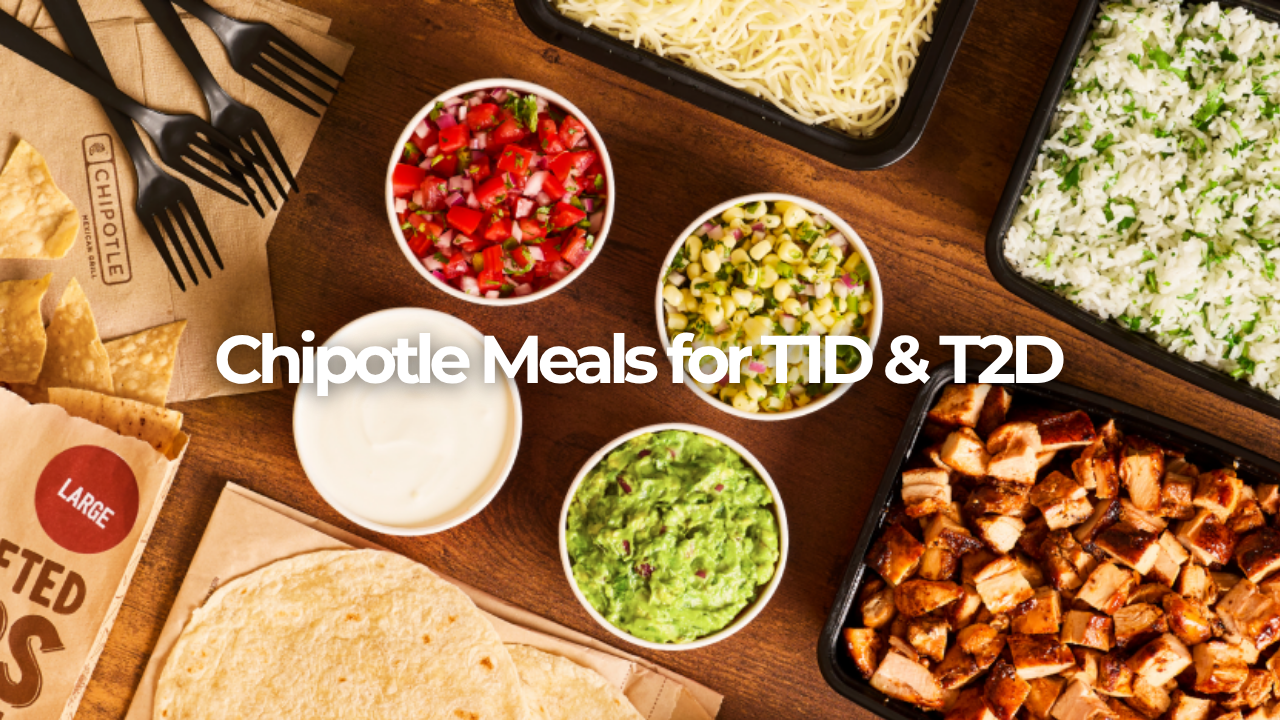
Chipotle can be a smart fast-casual choice for people living with diabetes, especially when the order is built around protein, fiber, and non-starchy vegetables
A thoughtful order can support steadier blood sugar while still tasting satisfying.
This guide breaks down a diabetes-friendly Chipotle order, explains why each choice works, and gives a simple framework for customizing it for T1D, T2D, and pre-diabetes.
Why Chipotle Can Work
Chipotle is easy to customize, which makes it one of the more diabetes-friendly chain options. That flexibility allows a diabetes dietitian or Diabetes Educator to build a meal around protein and fiber instead of excess refined carbs.
The goal is not to make every meal “perfect.” The goal is to build a bowl that helps with blood sugar control, hunger, and satisfaction at the same time.
Best Chipotle Build
A strong default order looks like this:
- Salad base with romaine lettuce.
- Skip the tortilla.
- Skip the rice, or choose brown rice only if desir...
Can You Live a Normal Life with Diabetes?

Yes, you can live a full, active, and enjoyable life with diabetes
The key is learning how to manage blood sugar in a way that fits your real life, not forcing your life to revolve around diabetes.
For many people, support from a T1D dietitian or a T2D dietitian can make daily management feel simpler, more confident, and more sustainable. A Diabetes Educator can also help you build the skills needed to eat well, stay active, and reduce stress around blood sugar.
What “Normal” Really Means
“Normal” does not mean ignoring diabetes or pretending it is not there. It means being able to work, travel, exercise, eat socially, and enjoy family life while realistically managing blood sugar.
Many people with diabetes find that once they have a routine, their lives feel more stable than before. The goal is not perfection; it is consistency, flexibility, and confidence.
What Makes Life Feel Hard at First
In the beginning, diabetes can feel overwhelming because there is a lot to learn at onc...
Preventing Hypoglycemia in Diabetes

If you live with diabetes or support someone who does, understanding hypoglycemia (low blood sugar) is essential
A sudden drop in glucose can feel frightening, exhausting, or even dangerous. The good news is that with the right strategies, planning, and support from a diabetes dietitian, you can manage blood sugar levels confidently and avoid dangerous lows.
What Is Hypoglycemia?
Hypoglycemia occurs when your blood glucose level drops below 70 mg/dL (3.9 mmol/L). Common signs include shakiness, dizziness, sweating, blurred vision, irritability, or difficulty concentrating.
While anyone with diabetes can experience it, those using insulin or certain oral medications (especially people with Type 1 diabetes) are at higher risk.
Why Blood Sugar Crashes Happen
Low blood sugar often develops due to an imbalance between food intake, medication, and activity level. Common triggers include:
- Skipping or delaying meals. Not eating enough carbs after taking insulin or medication.
- Overexe...
