
How Diabetics Can Enjoy Buffalo Wings Safely
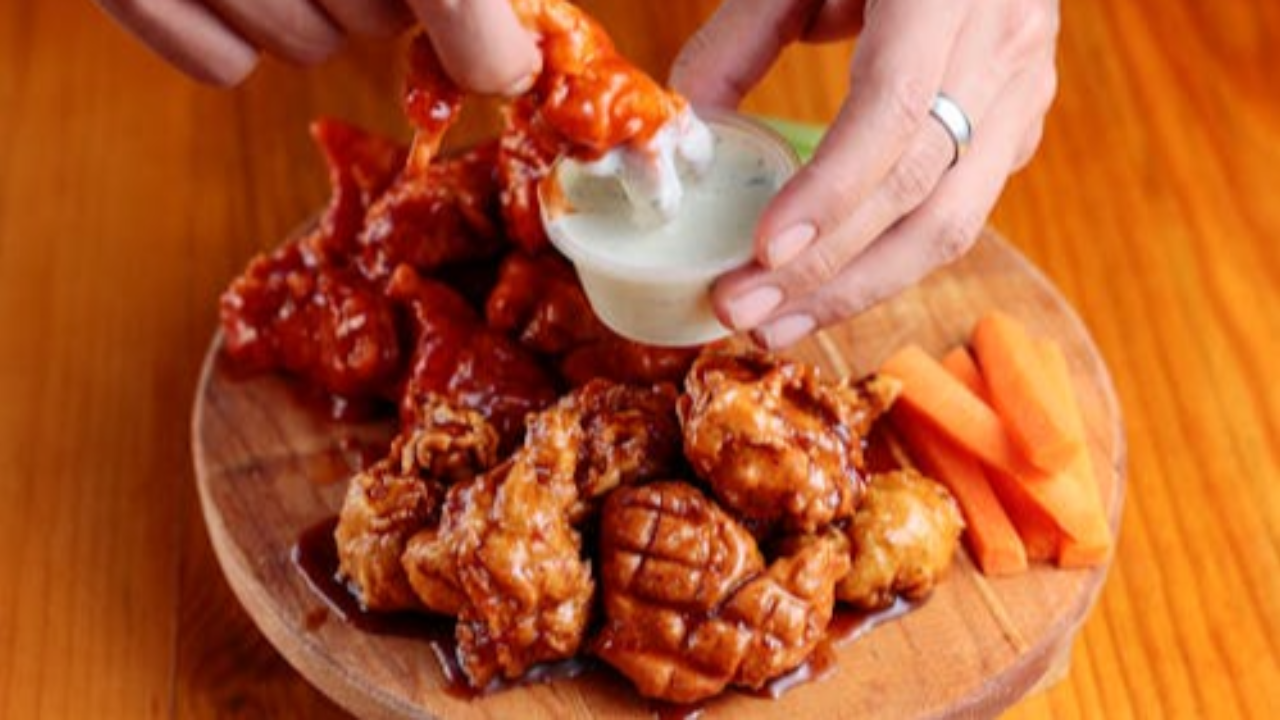
Buffalo wings are everywhere at tailgates, parties, and weekend hangouts
For someone managing Type 1 diabetes (T1D) or Type 2 diabetes (T2D), enjoying this iconic snack requires more than just luck; it requires a smart strategy. Don't feel guilty about enjoying your favorite foods! Instead, learn how a diabetes dietitian thinks about wings to keep your blood sugar balanced. This guide offers proven blood sugar management tips for anyone who loves a good wing!
Here are the top strategies, recommended by a Diabetes Educator:
Discover the Carb-Free Nature of the Wing Itself
The biggest secret to buffalo wings is that the chicken meat and skin are naturally carb-free. This is huge for carb counting for diabetes!
- Classic Buffalo Sauce: The traditional, fiery sauce (made from vinegar, cayenne pepper, and butter) is typically very low in carbohydrates, often less than 1-2 grams per wing. This is your Quick Pick!
- Smart Sauce Choices (Sweet Sauces): Sweet sauces like Honey BBQ, Teriyaki, or Mango Habanero add extra sugar and carbs. If you enjoy them, plan with your insulin or medication to keep your blood sugar steady. Always check the nutrition facts or ask about ingredients.
Analyze the True Impact of Protein and Fat
While the wings are low-carb, they are high in protein and fat, and this combination has a major, but delayed, impact on blood sugar.
Based on 2025 nutrition data, a typical serving of six traditional (unbreaded) wings can contain:
- Protein: Around 36 to 50 grams
- Fat: Around 24 to 47 grams
The high-fat content acts like a traffic jam, slowing down all digestion. The high-protein content, however, will be converted into glucose by your liver (a process called gluconeogenesis). Because this process is slow, you won't see a spike right away; you’ll see a delayed blood sugar spike that can occur 4 to 8 hours after eating. This delayed rise can be significant, potentially pushing blood sugar from a target range (like 100-110 mg/dL) up to 200 or even 300 mg/dL if not managed.
Unlock Your Dosing Strategy
If you are on intensive insulin therapy (like an insulin pump or multiple daily injections), you need a specific strategy for high-fat, high-protein meals:
- Extended Bolus (Pump Users): A Type 1 diabetes dietitian often recommends using an extended or "dual wave" bolus. This delivers a small amount of insulin immediately to cover any minimal sauce carbs and then spreads the rest of the dose over several hours (e.g., 2 to 4 hours) to match the slow absorption of the protein/fat-derived glucose.
- Injections (MDI Users): If you use pens or syringes, you may need to administer an additional small correction dose of rapid-acting insulin 3 to 4 hours after the meal to counteract the delayed rise.
Smart Side Dishes for T2D Meal Planning
If you have Type 2 diabetes, the high fat in wings can worsen insulin resistance temporarily. Pairing wings with fiber-rich sides is key.
- Smart Side Choices: Pair your wings with celery sticks and low-carb dressings like ranch or blue cheese. The celery adds crunch with minimal carbs, keeping your meal balanced.
- Manage Your Sides: If you enjoy higher-carb sides like fries, onion rings, mac and cheese, or sweetened coleslaw, plan ahead with your insulin or medication to maintain steady blood sugar.
Explore Grocery Shopping on a Budget and Easy Diabetes-Friendly Meals
Making wings at home is both cheaper and safer for your blood sugar!
- Home Prep: Buy frozen wings or bulk chicken pieces. Bake or air fry them instead of deep-frying to slightly lower the total fat.
- DIY Sauce: Mix hot sauce with a little butter for a classic, low-carb wing sauce. This lets you control ingredients and adjust your insulin or medication as needed for a balanced meal.
Ask the Diabetes Dietitian
Q: How do I calculate the insulin dose for the protein/fat?
This is complex and highly individualized. Some use a method called "Fat/Protein Units" (FPUs), where a certain amount of fat and protein is treated as equivalent to 10g of carbohydrates. You must work with your diabetes dietitian or Diabetes Educator to determine your specific ratio for this, as guessing can lead to severe hypoglycemia or hyperglycemia.
Q: Are boneless wings better?
Usually, no. Boneless wings are almost always breaded, which means they are coated in flour/starch, pure carbohydrates. You must carb-count the breading, making them a higher-carb choice than traditional wings.
Q: How do I manage the high sodium?
Wings can be high in sodium and fat. To keep blood sugar on track, talk with your diabetes educator, dietitian, or healthcare provider about portion sizes, meal planning, and medication adjustments.
You deserve to enjoy your food AND see great blood sugar results and you absolutely can. These proven strategies from a T1D dietitian and a Type 2 diabetes dietitian will show you exactly how to take control of high-fat, high-protein meals with confidence.
