
Insulin Timing to Master Blood Sugar Control
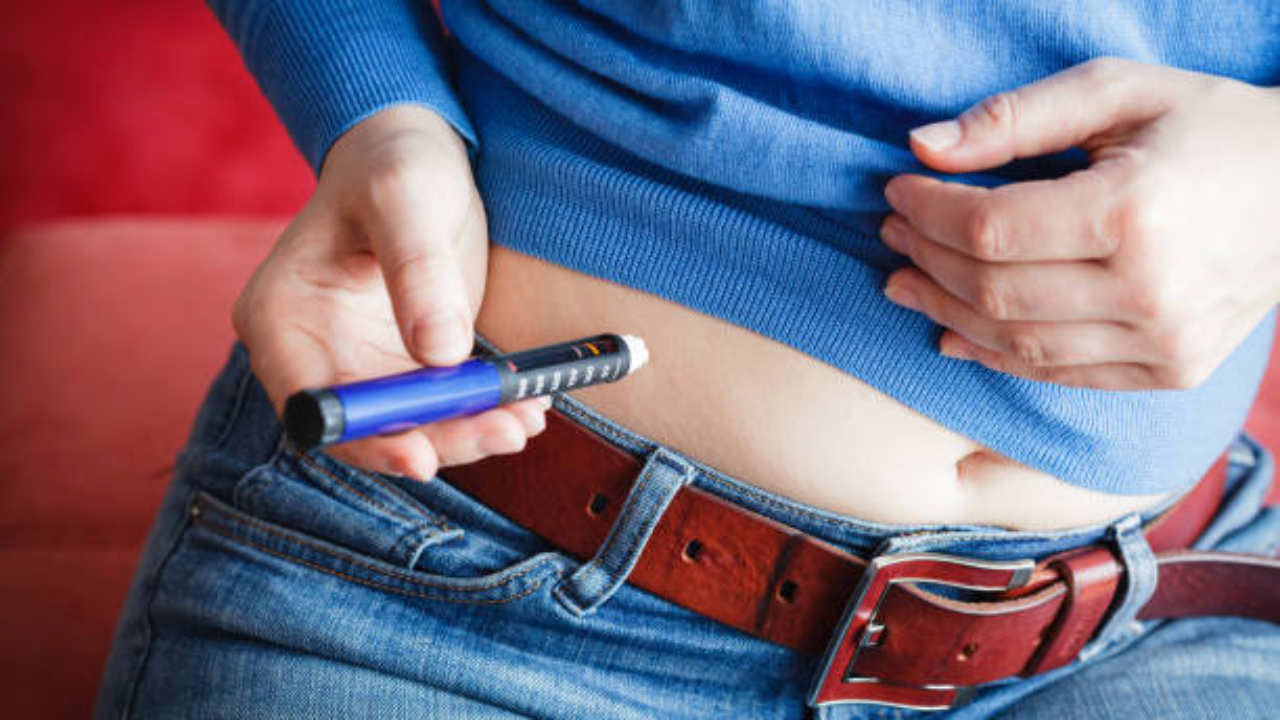
If you are managing Type 1 diabetes (T1D) or Type 2 diabetes (T2D), insulin is a part of your reality.
Whether you take it every day or rely on medication to boost your blood sugar control, you know it’s essential. But truly understanding how your injected insulin moves through your system, the nitty-gritty timing, is the difference between struggling with surprise highs and lows and achieving smooth, steady numbers.
This specialized knowledge is the core focus of a diabetes dietitian or Diabetes Educator. They are your key partners in translating the science into personalized T1D meal planning and effective carb counting for diabetes strategies that actually fit your busy life.
Discover the Magic Behind the Medicine
In its simplest form, insulin is the vital hormone that allows glucose (sugar) from your food to enter your body’s cells, where it is used for energy. Without enough effective insulin, glucose gets stuck in the bloodstream, leading to high blood sugar.
When you inject insulin, you are replacing or supplementing what your body can't produce or use effectively. The most common forms you’ll use are long-acting (for continuous background coverage) and rapid-acting (for meals and corrections). Let’s dive into the powerful, fast-paced world of rapid-acting insulin.
The Rapid-Acting Timeline
Knowing the lifespan of your rapid-acting insulin is a proven technique for better control. It helps you time meals and correct high blood sugar without "stacking" doses, a common cause of unexpected lows.
Here is the typical timeline for how rapid-acting insulin works for the majority of people:
- Kick-In Time (Onset): It usually takes about 15 minutes to start working. This is why many people, especially those with T1D, are advised by their Type 1 diabetes dietitian to pre-bolus take the insulin shortly before eating to give the medicine a head start against the incoming meal.
- Peak Time: The insulin is at its most powerful around 45 to 60 minutes after injection. This peak is designed to handle the main surge of glucose absorbed from your meal.
- The Big Drop: This is the game-changer: 90% of the insulin is usually out of your system within a couple of hours. The main work is complete!
- The Full Lifespan (Duration): This is the most crucial, often-missed detail. Even though the bulk is gone quickly, rapid-acting insulin has a full lifespan of 4 hours. This means that a small, but powerful, 10% will still be floating around called “Insulin On Board” (IOB) for the full four hours.
This lingering 10% is why you must pay attention to insulin’s timing to avoid lows. If you dose again within this 4-hour window without considering the IOB, the doses can stack, potentially leading to low blood sugar.
Why Your Body Isn't the Average Clock
It is vital to remember that these numbers are averages. Every person with diabetes, whether Type 1 or Type 2, is unique.
- Individual Variation: Your insulin might be out of your system faster than 4 hours, or it might be slower. This time on board varies based on injection site, blood flow, activity levels, and even hormones.
- The Role of Your Care Team: Has your care team, your Type 2 diabetes dietitian, or Diabetes Educator gone over this with you? Understanding your personal insulin duration is one of the FIRST things that helps you move from guessing to precision.
Explore the Connection between Food and Timing
This intimate knowledge about insulin timing is where a diabetes dietitian becomes your best coach. They help you connect your body's medicine clock with the foods you eat.
- Carb Counting for Diabetes: Knowing how long your insulin lasts helps you handle slower-digesting meals. Meals high in fat and protein (like a pizza or burger) slow down stomach emptying, causing glucose to hit your bloodstream later. If your insulin has already peaked, you might go high, then crash low later. Your dietitian can teach you split or extended bolusing techniques to manage this.
- Easy Diabetes-Friendly Meals: When you’re creating easy diabetes-friendly meals or grocery shopping on a budget, prioritizing high-fiber foods (like vegetables or whole grains) is a simple way to slow down glucose absorption, making it easier for your insulin to keep up with the meal.
Ask the Diabetes Dietitian
Q: Why is my blood sugar low two hours after eating?
This often happens if the food you ate is digested more slowly than your rapid-acting insulin peaks, or if your insulin dose was slightly too high. A T1D dietitian can help you adjust your insulin-to-carb ratio or pre-bolus time.
Q: How does exercise affect insulin timing?
Exercise increases insulin sensitivity. This means your existing insulin (even the lingering 10% IOB!) works harder, which can cause a low. Adjusting your insulin dose before exercise is a key blood sugar management tip.
Q: What's the easiest way to start carb counting for diabetes?
Start by focusing on reading the total carbohydrates on food labels. Use measuring tools for accuracy at home. A T2D dietitian or Diabetes Educator can help you Learn to estimate portions when eating out.
Q: Can a T2D dietitian help me reduce my medication?
Yes! They focus on sustainable lifestyle changes, portion control, and easy diabetes-friendly meals that improve your body's insulin sensitivity, which often leads to reduced reliance on medication.
Understanding your rapid-acting insulin’s 4-hour lifespan, that 90% is gone fast, but 10% lingers, is the essential knowledge that empowers you to move from passive management to proactive control. Don't settle for less than your best.
Get started today with a diabetes dietitian to master your numbers and feel your best!
If you’ve ever struggled to bring down high blood sugar, this checklist has your back. Grab your free copy of the FIX Your High Blood Sugar Checklist now and take control today!
