
Diagnosed with Diabetes: Kid vs Adult
Discover how diabetes impacts children and adults differently, with insights on emotional challenges, family dynamics, and support from dietitians and diabetes educators.

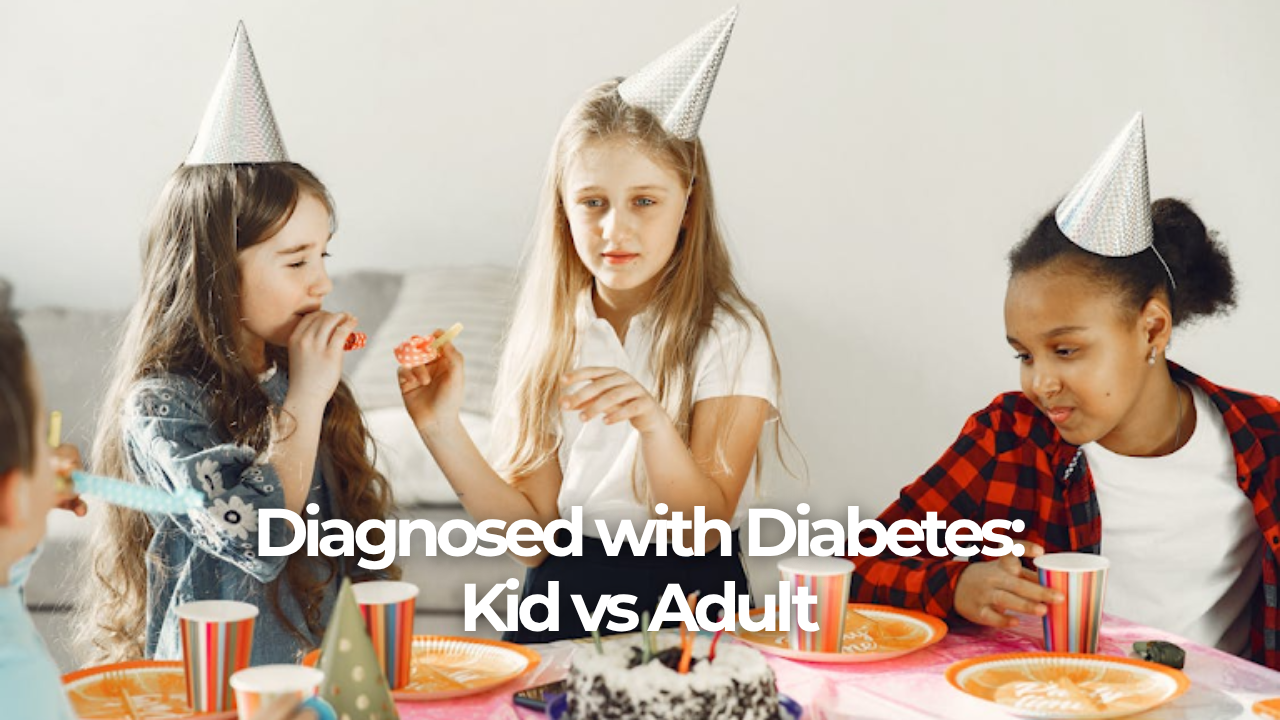
Imagine a 9-year-old at a birthday party, quietly sipping juice while friends indulge in cake. Now picture a 42-year-old at a work lunch, weighing how to eat without derailing the day. A diabetes diagnosis affects people differently depending on age, the same condition, and very different emotional challenges. For children, it becomes part of their identity early on; for adults, it can feel like a sudden disruption to their life narrative.
A dietitian or diabetes educator can help provide practical support. This guide explores the psychological differences, coping strategies, and where to find support.
Emotional Impact: Childhood Diagnosis
The "Normal" That Never Was
Kids diagnosed with Type 1 diabetes lose the carefree relationship most children have with food. Every birthday party, school lunch, and sleepover comes with invisible math.
Emotional Realities Kids Face:
- Identity confusion: "Am I just the diabetes kid?" Social identity forms around condition rather than hobbies or personality.
- Dependency frustration: Relying on parents for carb counts and insulin creates powerlessness during the independence-hungry tween years.
- FOMO (fear of missing out): Watching peers eat freely while measuring portions breeds resentment toward both diabetes and "normal" kids.
- Rebellion phase: Teens often rebel against strict routines, leading to risky experimentation with food and insulin.
Example from Practice:
Ten-year-old Mia loved pizza parties but hated the inevitable low blood sugar crash two hours later. Her T1D dietitian and certified diabetes educator taught "pizza survival": smaller slices + protein side + walk after eating. The emotional win? Mia could stay at the party instead of leaving early.
Long-term psychological pattern: Early diagnosis creates hyper-awareness of body signals, but also vigilance fatigue. By adulthood, they’re experts at listening to their body, but exhausted from decades of constant monitoring.
Emotional Impact: Adult Diagnosis
The Life You Thought You Knew
Adults face a Type 2 diabetes, late-onset Type 1, or prediabetes diagnosis as a personal failure narrative. Decades of habits must change overnight.
Emotional Realities Adults Face:
- Mourning lost health: Grieving the "healthy years" they imagined having.
- Shame spiral: "I should have taken better care of myself" becomes the internal soundtrack.
- Overwhelm paralysis: Too many changes at once lead to inaction ("Why bother now?").
- Relationship strain: Partners worry; adult children feel guilty; parents offer unsolicited advice.
Long-term psychological pattern: Adults leverage life experience for discipline, but struggle with permission to enjoy food again. The internal battle becomes "discipline vs deprivation."
Nutrition Psychology Connecting Food and Feelings
Kid-Friendly Strategies:
- Color coding: Green foods (veggies) = anytime; Yellow (fruit, grains) = pair with protein; Red (cake) = special occasions.
- Choice within limits: Pick 2 of 3 dinner components to foster control.
- Reward systems: Extra playtime for consistent checking (not food rewards).
Adult-Friendly Approaches:
- Mindful swaps: Same texture/flavor profile (mashed cauliflower vs potatoes).
- Permission eating: Schedule "treats" to eliminate binge guilt cycles.
- Stress eating audit: Track emotional triggers before changing food.
Family Dynamics Add Hidden Stress
A childhood diabetes diagnosis can affect the whole family. Parents may feel guilt for missing early signs, siblings can resent the extra attention, and well-meaning grandparents may unintentionally sabotage routines with “just this once” treats.
An adult diabetes diagnosis can also impact relationships. Spouses may become anxious or overly protective, adult children may feel pushed into a caregiving role, and coworkers may either avoid the topic or overcompensate.
Interactive Emotional Checklists
For Parents of Kids with T1D:
- Child smiles about meals (not just tolerates)
- Family eats the same meal, different portions
- Child helps pack lunch 3+ days/week
- No food fights at the dinner table
For Adults with T2D/Prediabetes:
- Can eat favorite foods guilt-free (in moderation)
- Partner joins (not polices) healthy changes
- Work lunch doesn’t derail the entire day
- Weekends feel sustainable, not restrictive
Your Next Steps
Start by taking immediate action: print the emotional checklists above and track your patterns for one week to better understand how emotions affect your diabetes management.
In week two, schedule a consultation with a diabetes dietitian and specifically discuss any emotional eating patterns you’ve noticed. The key thing to remember is that the age at diagnosis only writes the opening chapter, not the whole story. Children build intuition through years of practice, while adults bring wisdom from life experience.
With guidance from diabetes educators, both can turn those strengths into sustainable habits and write healthier, more confident next chapters.
Ready to better understand Type 1 diabetes or get personalized guidance? Work directly with a diabetes dietitian through our VIP coaching sessions for high-level, tailored support. To get started, contact us at info@yourdiabetesinsider.com.
Struggling with high blood sugar? Download the free “Fix Your High Blood Sugar” checklist and follow simple, practical steps to take control.
