
Diabetes Dietitian Guide to DKA
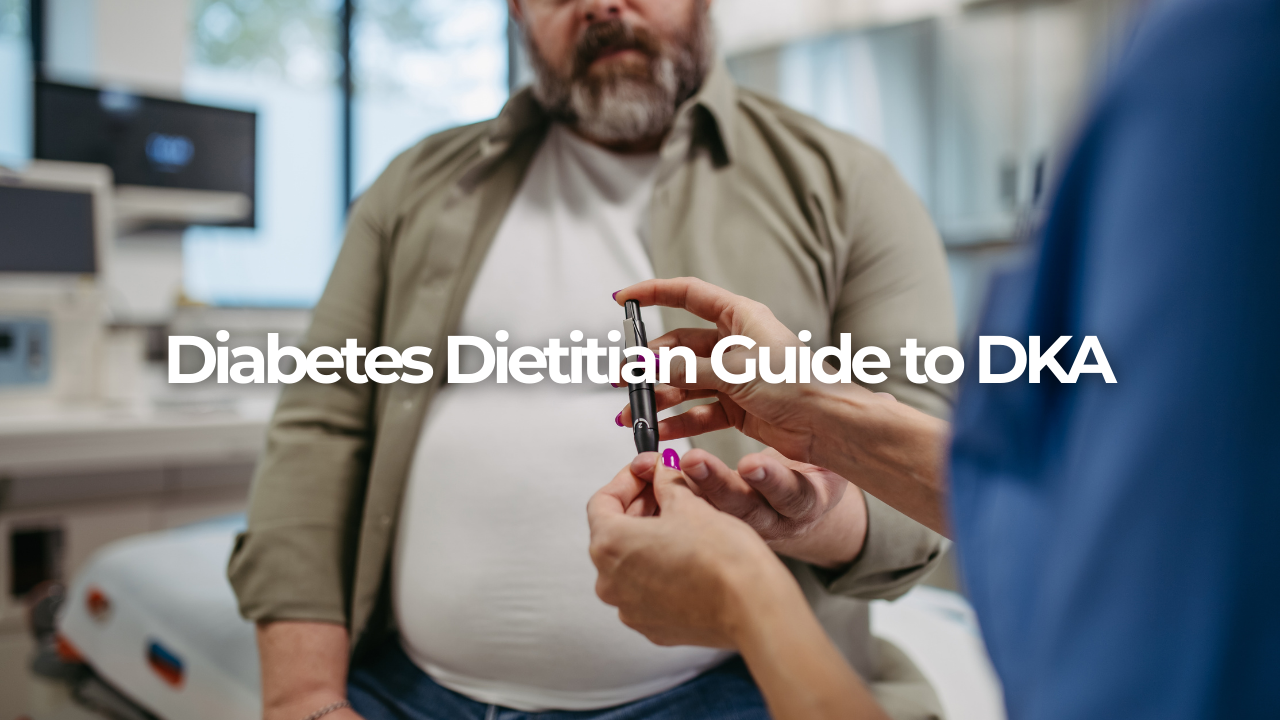
Diabetic ketoacidosis (DKA) is a serious, life-threatening condition caused by a lack of insulin, most commonly affecting people with type 1 diabetes
A Type 1 diabetes dietitian or Diabetes Educator can help you recognize early warning signs, prevent emergencies, and stay safe with the right daily habits. Learning the basics now can truly save lives.
Diabetic ketoacidosis, often called DKA, is one of the most urgent and dangerous complications of diabetes. While it is most common in people with type 1 diabetes, it can also affect individuals with type 2 diabetes and even prediabetes in rare cases. Every t1d dietitian agrees: understanding DKA is not optional, it’s essential.
DKA happens when the body does not have enough insulin to use glucose for energy. Instead, it starts breaking down fat too quickly, creating acids called ketones. When ketones build up in the blood, the result can be rapid dehydration, confusion, and organ failure if untreated.
Learn the Warning Signs Before It’s Too Late
A Type 1 diabetes dietitian will always stress early recognition. DKA can develop fast, sometimes within 24 hours. Common warning signs include extreme thirst, frequent urination, nausea, vomiting, stomach pain, rapid breathing, fruity-smelling breath, and extreme fatigue.
For people newly diagnosed with type 1 diabetes, DKA is often the first reason they end up in the hospital. A trusted diabetes dietitian or Diabetes Educator helps patients and families learn how to spot these red flags early and act quickly.
Unlock the Root Causes of DKA
DKA doesn’t happen randomly. A t1d dietitian often sees it triggered by missed insulin doses, illness, infection, pump failure, or severe stress. For people working with a T2D dietitian, DKA may occur during extreme illness or when insulin needs suddenly increase.
Even those searching for a T1D dietitian near me or a T2D dietitian near me are often doing so after a scare. Education is the proven way to reduce repeat hospital visits and regain confidence.
Diabetes Dietitian Helps Prevent DKA
A Type 1 diabetes dietitian does far more than talk about food. Prevention includes understanding insulin timing, hydration, sick-day plans, and ketone monitoring. A Diabetes Educator reinforces these skills so they become second nature.
For people with type 2 diabetes, working with a type 2 diabetes dietitian or t2d dietitian helps identify risks before they escalate. For those with prediabetes, early guidance can prevent progression altogether.
Education isn’t about fear; it’s about control, clarity, and safety.
Ask the Diabetes Dietitian
Q: Can DKA be prevented?
Yes. A Type 1 diabetes dietitian teaches daily habits and emergency plans that significantly reduce risk.
Q: Is DKA only a concern for type 1 diabetes?
Mostly, but a T2D dietitian may still address DKA during illness or insulin deficiency.
Q: When should I contact a professional?
Immediately, if symptoms appear, searching for a T1D dietitian near you or t2d dietitian after hospitalization is a smart next step.
Q: Who should I work with long-term?
A certified Diabetes Educator or specialized diabetes dietitian provides ongoing, proven support.
DKA is serious, but it’s also preventable with the right knowledge. Discover the difference that working with a Type 1 diabetes dietitian, t1d dietitian, diabetes dietitian, or Diabetes Educator can make.
Learn now. Get started today. Your safety is worth it.
Struggling with High Blood Sugar? Grab Your FREE “Fix Your Blood Sugar” Checklist NOW! Follow These Simple Steps to Take Control Today!
